BENTONVILLE, Ark. — In a major move to sharpen its competitive edge and ensure products reach store shelves faster, Walmart has officially launched its Prepaid Consolidation Program. Announced on May 26, 2026, this strategic overhaul of the “first-mile” supply chain aims to simplify logistics for thousands of suppliers while lowering costs and improving in-stock levels for customers.
Streamlining the “First Mile”
For years, many of Walmart’s suppliers faced a logistical headache: to stock the retailer’s massive national network, they often had to create dozens of individual purchase orders and ship separate pallets to multiple regional distribution centers (RDCs). Under the new program, this process is dramatically simplified. Suppliers can now send their products under a single national purchase order to one designated location.
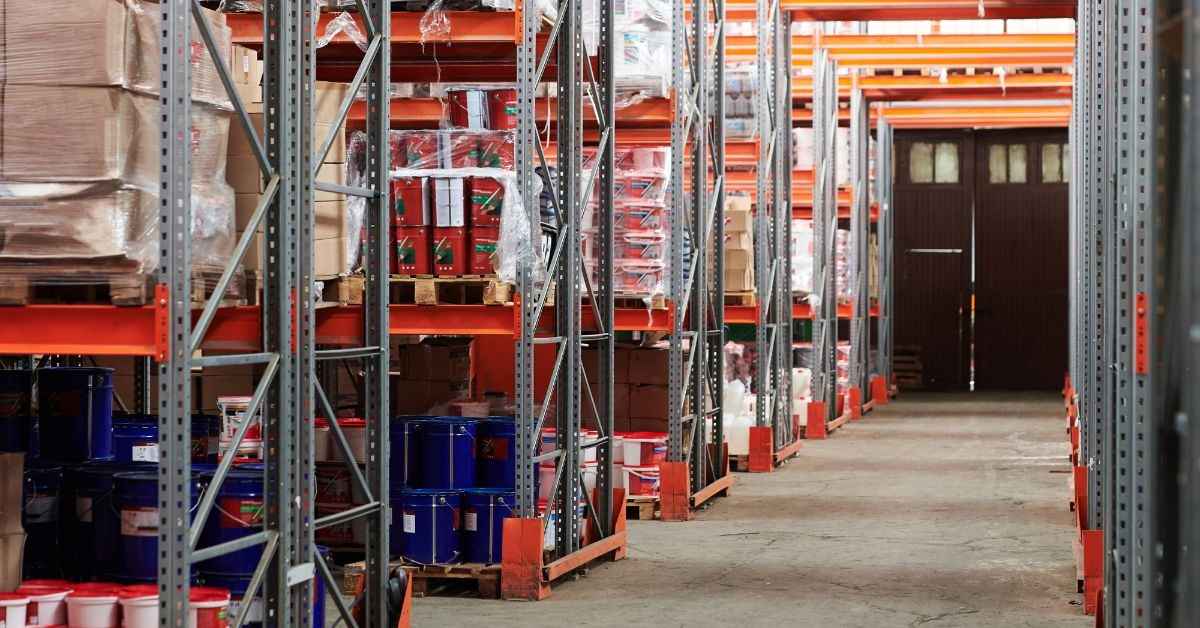
From this central point, often an automated consolidation center (ACC), Walmart takes the lead. The company uses its national network and advanced automation technology to merge these shipments and distribute the inventory across its 42 regional distribution centers. This shift allows suppliers to combine smaller, “less-than-truckload” (LTL) shipments into full truckloads, which significantly increases transportation efficiency and reduces the number of “empty miles” driven by trucks.
“We’re focused on making our supply chain simpler, faster, and more efficient for suppliers,” said Mike Gray, senior vice president of Supply Chain at Walmart U.S. He noted that by strengthening these early-stage capabilities, the company can keep goods moving and provide better value to the everyday shopper.

Financial Benefits and Flexible Terms
The program is designed to be user-friendly for vendors. Crucially, participation does not require suppliers to change their existing prepaid freight terms. Instead, they pay a transparent, price-per-case rate that covers handling at the automated hub and the subsequent transport to regional centers.
Suppliers have the choice to manage these shipments directly through Walmart or work with approved third-party logistics providers (3PLs), such as C.H. Robinson, Hub Group, and RJW Logistics. Walmart has clarified that while pricing may vary by region, these approved partners will not add markups to the services Walmart performs.
The Gold Standard of Precision: OTIF and MABD
While consolidation offers convenience, Walmart’s standards for delivery remain some of the strictest in the industry. To maintain a smooth flow of goods, the retailer relies on a metric known as OTIF (On-Time In-Full). This measures whether a shipment arrived exactly when promised (On-Time) and with every item ordered (In-Full).
The requirements for 2026 are demanding:
- Full-truckload suppliers must hit a 98% OTIF threshold.
- Less-than-truckload suppliers must meet a 95% threshold.
- Failure to meet these goals results in fines, typically 3% of the cost of goods for the non-compliant portion of the shipment.
Additionally, the Must-Arrive-By-Date (MABD) window, the specific timeframe for delivery, has tightened over the years. What was once a four-day grace period for non-perishable goods is now a two-day window under the OTIF program, while perishable items must arrive within a strict one-day window.
A Tech-Powered Future
Walmart’s push for efficiency is supported by a massive investment in automation and AI. The company is increasingly using robotic installations and inventory-tracking sensors to manage its network intelligence. Some industry experts have described this centralized approach as “Amazon-esque,” noting that it gives Walmart immense control over freight flow and timing.
For the general consumer, these behind-the-scenes changes mean more reliable stock levels and potentially lower prices, as Walmart often passes supply chain savings on to the customer to maintain its Everyday Low Price promise.
The program will continue to roll out in phases throughout 2026, with priority given to suppliers based on their shipping volume and Walmart’s expanding capacity. As Walmart scales these automated hubs, the gap between the retail giant and its competitors may continue to widen, setting a new standard for how modern retail logistics should function.