DUBAI — The global maritime order faced a transformative shift this week as the Islamic Republic of Iran transitioned its 40-day military blockade of the Strait of Hormuz into a formalized, monetized transit system. Following a fragile two-week ceasefire brokered by Pakistan on April 7, 2026, Tehran has begun enforcing a “pay-to-pass” architecture that leverages its geographic control over the world’s most critical energy chokepoint into a sovereign revenue mechanism.
The Mechanics of the “Tehran Toll Booth”
At the heart of Iran’s 10-point peace proposal is a requirement for outbound tankers to pay a transit fee, reportedly set at 1 per barrel of oil or a flat rate of approximately 2 million per vessel. For a Very Large Crude Carrier (VLCC) carrying two million barrels, the fee equates to a $2 million “access duty”.
The administrative process is managed by an Islamic Revolutionary Guard Corps (IRGC) command structure based on Qeshm Island. Ship operators must contact IRGC-linked brokerages at least one week in advance to submit cargo manifests, ownership details, and crew lists. Approval is contingent on a five-tier nationality ranking system, where “friendly” nations like China and Russia receive preferential rates and expedited clearance, while vessels linked to the U.S. or Israel are strictly prohibited.
Bypassing the Dollar: Crypto and the Petroyuan
To insulate this new revenue stream from Western sanctions, Iran has mandated that all tolls be paid in Chinese yuan or cryptocurrencies, specifically Bitcoin and Tether (USDT). This marks the first time a sovereign state has utilized crypto infrastructure as a primary revenue mechanism for a major maritime chokepoint.
Payments in yuan are routed through Kunlun Bank, which operates outside the SWIFT messaging system, further deepening the “Petroyuan” ecosystem. The success of this model was demonstrated on April 6, when the Qatari LNG tanker Al Daayen became the first laden cargo to transit the strait since the war began. The transit was brokered by Beijing and paid for in yuan, effectively “demolishing” the Western consensus that the waterway was impassable.
A Fragile Peace and Political Friction
The ceasefire, which took effect just hours before U.S. President Donald Trump’s deadline to “obliterate” Iranian infrastructure, remains extremely precarious. Trump initially described the Iranian proposal as a “significant step,” even mooting a potential “joint venture” with Iran to secure the shipping lane. However, this stance has met internal resistance; Secretary of State Marco Rubio defined the tolls as “illegal and dangerous,” asserting that the U.S. would not allow Iran to permanently control international waterways.
While the White House seeks a diplomatic off-ramp, the human and economic costs of the 40-day conflict continue to mount. Casualties have exceeded 13,000 across five nations, and Brent crude has surged 34% since the conflict’s onset on February 28.
The Ceasefire Under Threat
By Wednesday, April 8, the truce appeared to be unraveling. Israel intensified strikes against Hezbollah in Lebanon, killing at least 182 people in a single day – the deadliest since the war began. In retaliation, Iranian state media reported that Tehran had closed the Strait of Hormuz again, with Iranian Parliament Speaker Mohammad Bagher Ghalibaf calling planned talks “unreasonable” due to U.S. and Israeli “violations” of the agreement’s spirit.
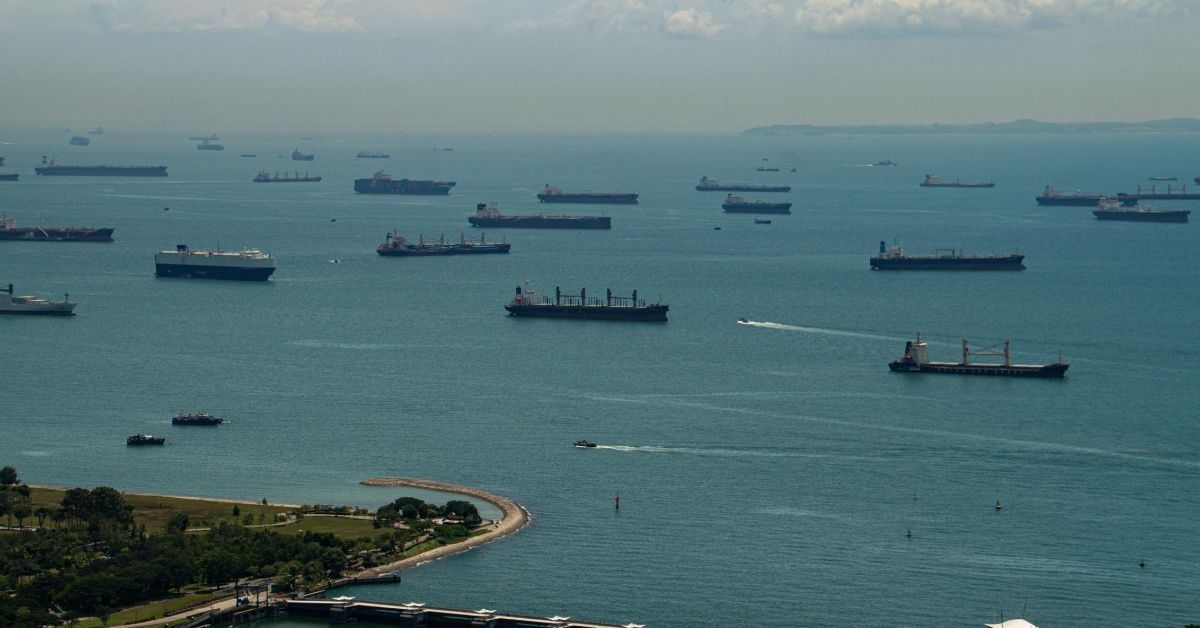
The International Maritime Organization (IMO) reported that as of Wednesday, only 11 vessels moved through the strait, a fraction of the pre-war average of 100 per day. Over 2,000 vessels and 20,000 seafarers remain stranded in what analysts have described as a massive maritime “car park”.
Long-Term Implications
Legal experts warn that if the toll system survives the ceasefire, it will establish a dangerous precedent for the monetization of natural straits, violating the United Nations Convention on the Law of the Sea (UNCLOS). For now, Iran justifies the fee as “service charges” for security and navigation guidance.
As the global energy market adjusts to this “new normal,” the geopolitical risk premium is expected to keep prices elevated. Whether the “Tehran Toll Booth” becomes a permanent feature of global trade or a footnote in a larger war depends on the high-stakes negotiations scheduled to resume in Islamabad later this week.