
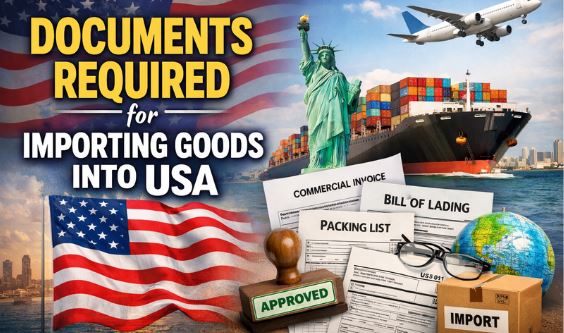
Importing goods into the United States may feel confusing at first, especially when paperwork is involved. If you are planning to ship products to the U.S., knowing the documents required for importing goods into the USA is the first and most important step. Once you understand what each document is for, the process becomes much clearer and easier to manage.
Many import delays happen not because of shipping problems, but because one document is missing or filled incorrectly. Even a small mistake can cause your goods to get stuck at the port, leading to extra charges and wasted time. Knowing the required documents in advance helps you stay prepared, avoid last-minute stress, and ensure your shipment reaches its destination without unnecessary issues.
This guide explains everything in simple words so you can understand what is needed, why it is needed, and how it helps your shipment move smoothly through U.S. customs.
Why Import Documents Are Important in the USA
The United States follows strict rules when goods enter the country. U.S. Customs wants to know what goods are arriving, where they are coming from, who is importing them, and whether all taxes and duties are paid correctly.
Correct documents help to:
- Clear goods faster at customs
- Avoid fines and penalties
- Prevent delays at ports
- Keep your shipment safe from being held or returned
When paperwork is correct, the entire import process becomes smooth.
These documents also act as proof that your shipment follows U.S. laws and trade rules. They help customs officers quickly review your goods without asking for extra clarification. When information is clear and matches across all documents, customs checks take less time and your cargo moves forward without unnecessary stops.
Main Documents Required for Importing Goods into the USA
These documents are required for most shipments, no matter what product you are importing.
Commercial Invoice
The commercial invoice is a document issued by the seller that shows the details of the sale.
It shows:
- Seller and buyer details
- Description of goods
- Quantity and value
- Country where goods were made
Customs uses this document to calculate duties and taxes, so all details must be accurate.
Packing List
The packing list explains how the goods are packed.
It includes:
- Number of boxes
- Weight of the shipment
- Size of packages
This helps customs officers check the shipment properly.
Bill of Lading or Air Waybill
This document is issued by the shipping company.
It works as:
- Proof that goods were shipped
- A contract between shipper and carrier
- A receipt for the cargo
Sea shipments use a Bill of Lading, while air shipments use an Air Waybill.

Shipping and Transport Documents
These documents help track the shipment once it reaches the U.S.
Arrival Notice
The arrival notice is sent when goods reach the U.S. port. It informs the importer about the arrival date, port details, and charges.
Delivery Order
The delivery order allows the shipment to be released to the importer or trucking company.
Customs-Related Documents
These documents are directly linked to U.S. customs clearance.
Importer of Record Number
To import goods into the U.S., you need an Importer of Record number.
This can be:
- Employer Identification Number (EIN)
- Social Security Number (for individuals)
- Customs-assigned number for foreign importers
Without this, customs will not release the shipment.
Customs Bond
A customs bond is a guarantee given to the U.S. government.
It confirms that:
- Duties and taxes will be paid
- Import rules will be followed
You can choose a single shipment bond or a yearly bond for regular imports.
Entry Summary (CBP Form 7501)
This form is used to declare the shipment details to customs, including value and duties. It is usually filed by a customs broker.
Extra Documents Based on Product Type
Some products need additional documents before they can enter the U.S.
Certificate of Origin
This document confirms the country where the goods were manufactured. It may help reduce duty under trade agreements.
Import Licenses or Permits
Products like food, medicines, chemicals, and electronics may need approval from U.S. authorities such as FDA or USDA.
FDA Prior Notice
Food shipments must be reported to the FDA before arrival in the U.S.
Importer Security Filing (ISF)
For sea shipments, ISF details must be submitted before the cargo is loaded on the vessel.
Common Import Mistakes to Avoid
Many shipment delays happen because of small errors.
- Wrong product description
- Incorrect value shown on invoice
- Missing documents
- Not checking product rules in advance
Careful document checks can save time and money.
Final Takeaway
Understanding the documents required for importing goods into the USA helps you avoid delays and extra costs. When documents are prepared correctly, importing becomes a smooth process instead of a stressful one.
For reliable support with documentation, customs clearance, and shipping, Lading Logistics can help manage the entire import process with confidence.
Being prepared with the right paperwork also gives you better control over your shipment. You can plan timelines accurately, estimate costs in advance, and respond quickly if customs asks for clarification. This level of readiness not only saves money but also builds trust with shipping partners and authorities.
Proper import documentation ensures smooth movement of goods across major routes, including the busiest highways in the united states, where delays can be costly.
FAQs
1. Is a customs broker required to import goods into the USA?
No, but using a broker helps avoid mistakes, especially for first-time importers.
2. What happens if documents are missing?
Customs may delay, fine, or hold the shipment.
3. How long does customs clearance take?
Clearance can take a few hours or a few days, depending on documents.
4. Can foreign companies import into the USA?
Yes, foreign companies can import goods with a customs-assigned number.
5. Are scanned or digital documents accepted?
Yes, electronic documents are commonly accepted by U.S. customs.