
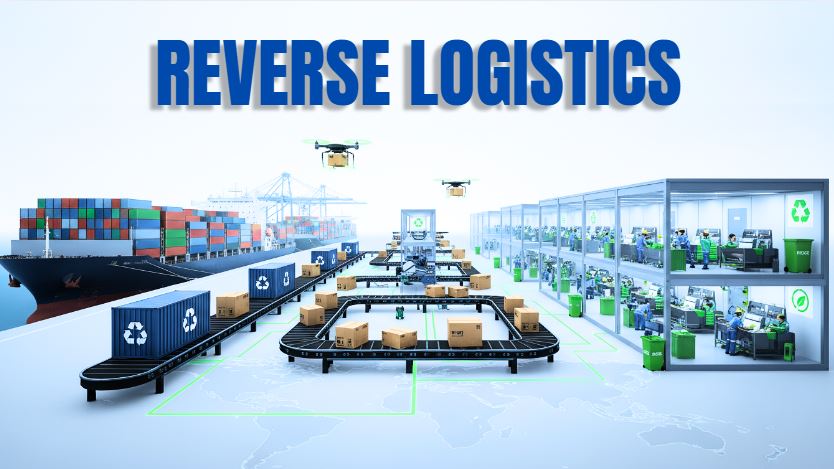
Whenever we think about global shipping, we imagine products moving from big warehouses to our homes. But what we don’t usually think about is what happens after a product is delivered – especially when it’s returned, damaged, or no longer needed. In today’s world, online shopping is growing fast, and so are returns.
This is where reverse logistics becomes very important. It’s the hidden side of shipping that deals with returns, recycling, repairs, and waste.
And honestly, it’s a part of global shipping that most customers never see, but every business has to handle.
What Is Reverse Logistics?
When we talk about global shipping, most people think about sending goods from a warehouse to the customer. But there is another side of the journey called reverse logistics. This simply means the movement of products back from the customer to the seller – for example, when we return something we don’t like, when a product is damaged, or when packaging needs to be recycled.
Reverse logistics has become an important part of global shipping because returns and waste are growing every year and companies need better ways to handle them.

Why Returns Have Become a Big Challenge
Today, shopping online is extremely easy. With just one click, people buy clothes, electronics, groceries, furniture everything. But easy shopping also means easy returns.
Some simple reasons why returns are increasing:
- People order multiple sizes and keep only one.
- Product looks different in real life compared to photos.
- Delivery damage.
- Change of mind.
- Wrong item sent.
For companies, returns are not just a small headache – they are a big cost. Every return means:
- Extra handling
- Extra shipping
- More storage
- More staff
- More inspection
- More waste
This is why reverse logistics is no longer optional. It’s a key part of how today’s businesses work.
What Happens After a Product Is Returned?
Ever wondered where your returned item actually goes? Let’s break it down in very simple steps.
Step 1: The Return Arrives
The returned item reaches a warehouse or a special return center. Staff first check:
- Is the product new?
- Is it damaged?
- Is it used?
- Is the packaging okay?
Step 2: Grading the Product
The product is sorted into categories:
- A-grade: Looks new, can be sold again.
- B-grade: Slight marks, can be sold at discount.
- C-grade: Needs repair.
- D-grade: Cannot be sold and will be recycled or thrown away.
Step 3: Decide What to Do
Depending on the condition, companies decide:
- Put it back on the shelf
- Sell it in an outlet store
- Sell it on a resale platform
- Repair or refurbish
- Donate
- Recycle
- Dispose safely
Step 4: Tracking & Reporting
Reverse logistics also includes updating inventory, adjusting stock levels, and reporting why the return happened. This helps companies understand:
- Are customers unhappy with quality?
- Is packaging weak?
- Is there a delivery issue?
- Is product description unclear?
Better tracking helps reduce future returns.
How Companies Reduce Waste in Global Shipping
Managing waste is a big part of reverse logistics. Some simple ways companies reduce waste:
1. Better Packaging
Using stronger but eco-friendly packaging reduces damage and returns.
2. Encouraging Repair
Brands offer repair services or replacement parts instead of sending a brand-new product.
3. Resale & Refurbished Stores
This helps reduce landfill waste while earning additional revenue.
4. Recycling Programs
Companies recycle plastics, cardboard, electronics, batteries, and more.
5. Smarter Return Policies
For very low-value items, some companies now say “Keep the item, no need to return”, because shipping it back costs more and creates more waste.

The Role of Technology in Reverse Logistics
Technology has made reverse logistics faster and more accurate.
AI & Machine Learning
These tools predict which products might get returned and help companies prepare in advance.
Barcode & RFID Tracking
This makes the return journey easy to track.
Return Portals
Customers can raise returns online, schedule pickup, or print labels. This reduces confusion and saves time.
Smart Warehouses
Automated systems scan, sort, and move returned goods quickly.
Overall, technology makes reverse logistics faster, cheaper, and more organized.
Real-World Examples
Amazon
Amazon has separate return centers where items are quickly scanned, graded, and sorted. Many items go to Amazon Warehouse Deals as discounted products.
IKEA
IKEA repairs and re-sells returned furniture through their “As-Is” stores.
Apple
Apple refurbishes old devices and sells them again with warranty, reducing e-waste.
Clothing Brands
Many fashion brands recycle fabric from returned clothes to make new products.
These examples show that reverse logistics is becoming a normal and essential part of business.
Simple Tips for Businesses
Here are some very simple things brands can do to make reverse logistics better:
- Write a clear product description to reduce mismatch
- Use strong packaging to reduce damage
- Offer size guides or virtual try-ons
- Track common return reasons
- Train staff for faster inspections
- Give customers easy return instructions
- Partner with good logistics companies
- Explore recycling and refurbishing options
Small changes can reduce returns massively.
Final Takeaway
Reverse logistics is not just about returns – it is about giving products a second life, reducing waste, saving money, and protecting the environment. As ecommerce continues to grow, reverse logistics will become even more important for every brand.
And if businesses want smooth and stress-free handling of returns, working with reliable partners like Lading Logistics can make the entire process easier and more efficient.
FAQs
1. What is reverse logistics in simple words?
It is the process of handling products that come back from customers, including returns, repairs, recycling, and disposal.
2. Why do companies focus on reverse logistics now?
Because online shopping has increased returns, and returns cost money. Good reverse logistics reduces loss and increases customer satisfaction.
3. What happens to damaged returned items?
They may be repaired, recycled, sold at a discount, or safely disposed.
4. How does reverse logistics help the environment?
It reduces waste, encourages recycling, and keeps products out of landfills.
5. Can small businesses manage reverse logistics easily?
Yes, with clear policies, good packaging, and support from logistics partners, even small businesses can handle returns smoothly.