
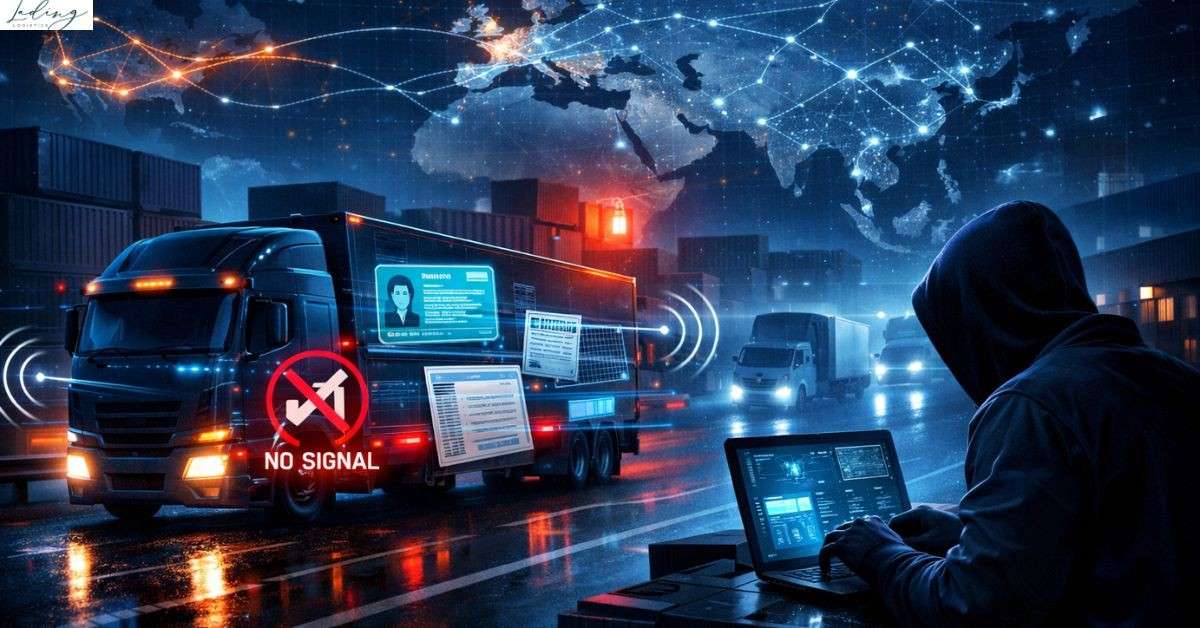
Highway robberies have long been a major concern in cargo theft. However, it has now evolved into a technology-driven crime that is growing rapidly across the world.
Following record-breaking losses in 2023, which exceeded $1 billion for the first time, cargo theft continued to rise through 2025, as experts had predicted. As of March 2026, the situation remains a major threat, with recent reports indicating that theft-related losses have already reached $725 million for the current period.
The way criminals operate is changing. While physical hijackings still happen in regions like South America and Africa, countries such as the United States and those in Europe are seeing a shift towards digital crime.
This new method, known as “strategic theft,” relies more on fraud and deception than force. Criminals are now using technology to trick companies and steal goods without direct confrontation.
One common strategy involves the use of synthetic IDs. These are fake identities created by using real and stolen information. Thieves also use apps to pretend to be legitimate transport companies. These fake operators are often called phantom carriers. By the time the fraud is discovered, the goods are already gone.
Contrary to popular belief, thieves are not just targeting luxury items. Food and beverages are the most commonly stolen goods, accounting for 22% of all cases. Electronics are also frequently targeted because they are valuable and easy to sell.
There have been several notable cases. In one incident, over 400,000 KitKat bars were stolen during transport. In Mexico, large shipments of tequila have been taken using similar methods. Apart from food and electronics, thieves frequently steal medicines in India and metals in South Africa,
Modern cargo theft involves the use of advanced tools and techniques.
GPS jammers are used to block tracking systems, making it difficult to locate stolen trucks. Criminals are also beginning to use artificial intelligence to create fake documents and send convincing emails to obtain shipment details.
Another method, known as shortening loads, involves stealing only part of the cargo. This often goes unnoticed until the delivery is completed.
Experts say companies must take stronger precautions to protect their shipments. Always remain cautious when offers or opportunities seem unusually favorable.
Businesses are advised to carefully verify all transport partners and drivers. Regular checks can help ensure that everyone in the supply chain is genuine.
Training employees is also important. Workers should know how to identify fake emails, documents, and suspicious activities.
Technology can also help in prevention. For example, AI-powered systems can verify driver identities and documents in real time. Using secure and encrypted communication channels can further reduce the risk of data leaks.
As technological capabilities advance, both criminals and security systems are becoming more advanced. Experts say the key to staying safe is strong due diligence, knowing and trusting every link in the supply chain.
The fight against cargo theft is now a race, where staying alert and informed can make all the difference.