Every time we buy something, it’s the result of a massive supply network of imports and exports. Blockchain logistics
However, even in 2026, the industry still relies on physical paperwork, manual emails, and old dated phone calls. This lack of transparency results in major concerns like lost cargo, delivery delays, and even identity fraud.
Don’t worry, blockchain technology is stepping in to provide solutions for these problems. While most people know about blockchain because of cryptocurrency; it provides real value in creating a secure, shared record of information. .
Let’s know better about how blockchain technology making the system whole better.
What is Blockchain in Logistics?
To put it simply, blockchain is a digital ledger that records transactions. It’s not like a normal database owned by one company; a blockchain is “decentralized,” which means everyone in the network has access to the records. An example can be taken as a shared Google Doc where everyone can see what is written, but no one can secretly go back and delete or change something once it has been saved.
Key Features of the Technology
There are a few specific reasons why this works so well for shipping.
- First is “immutability,” which means once data is entered, it’s permanent. You can’t forge a signature or hide a mistake.
- Second, “smart contracts” allow for automation. These are small programs that carry out an action, like a payment, only when a specific condition is met, such as a ship docking at a port.
For a complex supply chain, this creates a level of trust that just hasn’t existed before.
Challenges in Ocean and Air Shipping
The shipping industry involves some massive hurdles that slow everything down. These issues don’t just affect big companies; they eventually make products more expensive for regular people because of all the wasted time and resources.
Documentation and Visibility
A single shipment can require different documents, like Bills of Lading or customs forms. If just one piece of paper is lost or has a typo, a multimillion-dollar cargo ship can be stuck waiting in a harbor for days.
Furthermore, visibility is a major issue. Presently, it is hard to know exactly where a package is at every second. Because of this, someone could damage the cargo, or concerned parties could argue.
Fraud and Payment Delays
Because the system relies on several manual steps, it is prone to fraud. Fake invoices and forged documents are common problems.
On top of that, paying for shipping is usually a slow process involving banks and manual audits, which means carriers often wait weeks to get their money for work they have already finished.

Blockchain Use Cases in Ocean Shipping
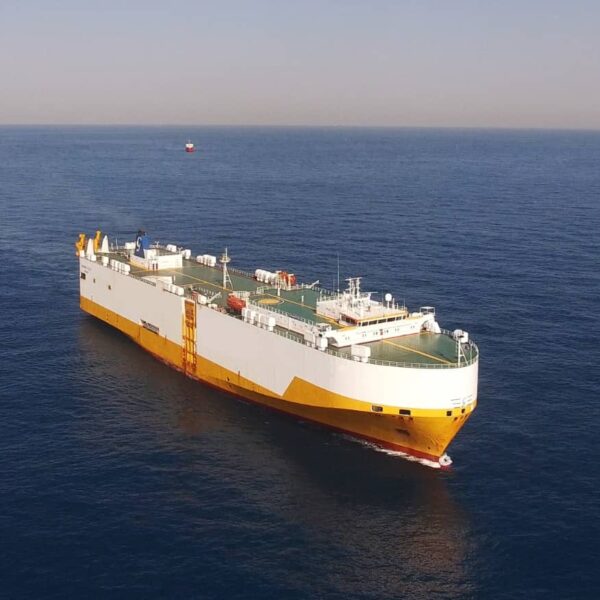
Ocean shipping handles about 90% of the world’s trade, and blockchain is starting to modernize it in some very practical ways.
Digital Bills of Lading and Tracking
One of the biggest improvements is the “Digital Bill of Lading.” Instead of mailing physical papers across the ocean, companies can transfer ownership of goods instantly through the blockchain. It’s faster, cheaper, and much harder to lose. Additionally, when ships, terminal operators, and customs authorities all use the same ledger, they can see exactly when a ship is arriving. This prevents “traffic jams” at the port and ensures everyone is ready for the cargo to land.
Smart Contracts and Anti-Fraud
We are also seeing blockchain used to track container seals. Since the record is tamper-proof, it’s much easier to prove that a container wasn’t opened illegally during its journey across the sea. Then, smart contracts take over the financial side and automatically release payments when the digital seal is scanned at the destination terminal.
Blockchain Use Cases in Air Shipping
Air freight is mainly about speed, so every minute saved on the ground is worth a lot of money. Blockchain helps by creating “Electronic Airway Bills” (e-AWBs). By putting these on a blockchain, airlines and freight forwarders can share data instantly, which speeds up customs clearance before the plane even touches the runway.
Cold Chain and Secure Tracking
It’s also vital for “cold chain” logistics, like moving medicine or fresh food. By using sensors that upload temperature data directly to a blockchain, a pharmaceutical company can prove that a batch of vaccines stayed cold the entire flight. If the temperature ever dropped, the blockchain would show exactly when and where it happened. This makes air travel much safer for high-value and sensitive items.
Industry Examples and Initiatives
Several major companies have already tried to put these ideas into practice to see if they work on a global scale.
Benefits and Limitations of Blockchain in Shipping
While blockchain sounds like a perfect solution, it does have some downsides that the industry is still working through.
| Benefits | Limitations |
| Every partner sees the same data at the same time. | It is hard to connect new blockchain tech to very old software. |
| Less paper and fewer manual errors save a lot of money. | Not every country or company agrees on which blockchain to use. |
| Digital records are nearly impossible to forge or alter. | The system only works if everyone, including customs, joins in. |
| Automated “smart contracts” make payments and clearances instant. | Managing millions of global shipments at once is technically difficult. |
How Lading Cargo Uses Blockchain in Modern Logistics
As technology continues to change logistics, Lading Cargo implements blockchain technology to make shipping smarter and more reliable. By recording shipment information on a secure digital ledger, we can now track cargo more transparently and reduce mistakes that often happen with paper documents.
This means that shippers, carriers, and customs authorities can all access the same real-time information, making coordination smoother and shipments more secure.
On the Whole
Blockchain has the potential to turn the “old school” world of shipping into a high-tech, efficient machine. By replacing the endless paperwork with a secure digital ledger, we can reduce delays and stop fraud that happens in global trade. It isn’t just about the technology itself, but about the trust it builds between people who have never met.
Of course, the transition won’t be easy. It will take years for every port and airline in the world to get on the same page. But as digital documentation becomes the new norm, blockchain will likely be the invisible foundation that keeps our global economy moving. In the end, a more connected and transparent shipping industry is a benefit for everyone, from the massive shipping lines to the person waiting for a package at home.
At Lading Cargo, we see blockchain technology as a powerful step toward smarter logistics. By embracing secure digital systems and transparent supply chains, we continue to move global shipments with greater efficiency, reliability, and trust.