
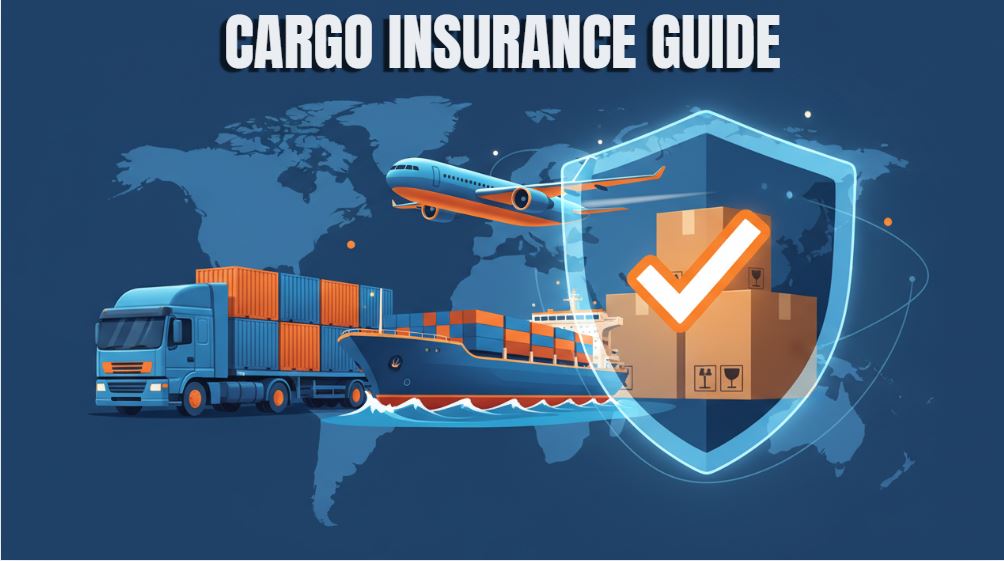
Sending goods from one place to another is never fully safe. A truck can break down, goods can get damaged, or a package can go missing on the way. When this happens, businesses may lose money and customers may get upset.
This is why cargo insurance is important. This cargo insurance guide will help you understand cargo insurance in the easiest way possible. There are no hard words or confusing terms here. Whether you are shipping goods for the first time or doing it every day, this guide will explain the types of cargo insurance, how much it costs, and why businesses need it.
Think of cargo insurance as a simple safety cover. It protects your goods while they are moving, so you can run your business without stress.
What Is Cargo Insurance?
If you are shipping goods from one place to another by road, sea, rail, or air there is always a risk. Goods can get damaged, lost, stolen, or delayed. This is where cargo insurance comes in.
This cargo insurance guide is meant to help you understand everything in the simplest way possible. Cargo insurance helps protect your goods during transportation. If something goes wrong during the journey, the insurance helps cover the financial loss so your business doesn’t suffer a big hit.
In short, cargo insurance is like a safety net for your shipments.
Why Cargo Insurance Is Important for Businesses
Many businesses think, “The transporter will handle everything.” But in reality, transport companies usually have limited liability. This means they may not fully pay for your loss.
Here’s why cargo insurance is important:
- Accidents can happen anytime
- Weather issues can damage goods
- Theft and mishandling are common risks
- International shipments have higher risks
- Even small losses can hurt profits
For businesses, cargo insurance brings peace of mind. You know your goods are protected, no matter what happens on the way.
Types of Cargo Insurance
There are different types of cargo insurance based on how and how often you ship goods.
a) Marine Cargo Insurance
Despite the name, this does not only cover sea transport. It also covers road, rail, and air shipments connected to sea transport. It is widely used for imports and exports.
b) Air Cargo Insurance
This covers goods transported by air. Since air cargo is faster and often carries high-value goods, insurance is very important.
c) Land Cargo Insurance
This covers goods transported by road or rail within a country.
d) Open Policy
Best for businesses that ship goods regularly. One policy covers multiple shipments over a period of time.
e) Single Transit Policy
Ideal for businesses that ship goods occasionally. It covers one specific shipment only.

What Cargo Insurance Usually Covers
Most cargo insurance policies cover:
- Damage during transit
- Theft or loss of goods
- Fire or explosion
- Natural disasters like storms or floods
- Accidents during loading or unloading
Coverage depends on the policy type, so it’s always good to read the terms carefully.
What Cargo Insurance Does Not Cover
Cargo insurance does not cover everything. Common exclusions include:
- Poor packaging
- Delays without physical damage
- War or nuclear risks (unless added separately)
- Intentional damage
- Normal wear and tear
Understanding exclusions helps avoid surprises later. That’s why it is important to pack goods properly and clearly understand the policy before shipping, so there are no problems at the time of claim.
How Much Does Cargo Insurance Cost?
Cargo insurance cost is usually a small percentage of the cargo value. In most cases, it ranges between 0.1% to 2% of the shipment value.
For example:
If your goods are worth ₹10,00,000, your insurance cost might be between ₹1,000 to ₹20,000 depending on the risk.
Compared to the loss you may face, this cost is very reasonable.
Factors That Affect Cargo Insurance Cost
Several things affect how much you pay:
- Type of goods (fragile goods cost more)
- Value of the shipment
- Mode of transport
- Distance traveled
- Packaging quality
- Past claim history
High-risk routes and valuable goods usually increase the premium.
Who Should Buy Cargo Insurance?
Cargo insurance is useful for:
- Manufacturers
- Exporters and importers
- Traders and wholesalers
- E-commerce sellers
- Logistics companies
- Small and large businesses
Whether you ship once a year or daily, cargo insurance is worth considering.

How to Choose the Right Cargo Insurance
Here are a few simple tips:
- Know the value of your goods
- Understand your shipping routes
- Choose coverage that matches your risk
- Compare policies from different providers
- Work with experienced logistics partners
The right insurance plan saves money and stress in the long run.
Final Takeaway
Cargo insurance is not an extra cost – it’s a smart business decision. It protects your goods, your money, and your reputation. In today’s fast-moving supply chain world, being prepared is better than being sorry.
Businesses that work with reliable logistics partners like Lading Logistics understand the importance of protecting every shipment and planning ahead for smooth and secure deliveries.
Cargo insurance also helps businesses stay confident. When you know your goods are insured, you can focus on growing your business instead of worrying about losses during transit. Even if something goes wrong, you know there is support in place to handle the situation without major stress.
FAQs
1. Is cargo insurance mandatory?
No, cargo insurance is not legally mandatory, but it is highly recommended for all businesses shipping goods.
2. Who pays for cargo insurance?
It depends on the sales agreement. Sometimes the seller pays, sometimes the buyer does.
3. Does cargo insurance cover international shipments?
Yes, most cargo insurance policies cover both domestic and international shipments.
4. Can small businesses buy cargo insurance?
Absolutely. Cargo insurance is suitable for businesses of all sizes.
5. What documents are needed to claim cargo insurance?
Usually, you need the invoice, packing list, insurance policy, and proof of damage or loss.